
The Story of Urba Luxury: Where Heritage Meets the Horizon
For centuries, the Socorro Plateau stood as a quiet watchtower over the Mandovi River. Below its red laterite cliffs, the village of Socorro hummed with the sounds of clay potters in Vaddem and cashew harvesters on the hill slopes. This was the original “High Land” of Bardez—a place of fresh breezes, wide skies, and uninterrupted views. In the 19th century, when Panjim was named the new capital—Nova Cidade de Goa—this plateau became the gateway to progress. What was once a forested vaddo where jackals called out at sunset gradually evolved into Porvorim, today the modern heartbeat of Goa’s legislative and business life. Urba Luxury is born from this very journey. Our serviced apartments stand at the crossroads of history and modernity. Here, we offer the calm of the old Socorro hills combined with the refined sophistication of today’s New City. Whether you are visiting for business, governance, or a long-term retreat, we provide more than just a place to stay. We offer a home shaped by timeless Goan values—comfort, cleanliness, quiet luxury, and space to breathe. Welcome to a new height of living. Welcome to Urba Luxury.
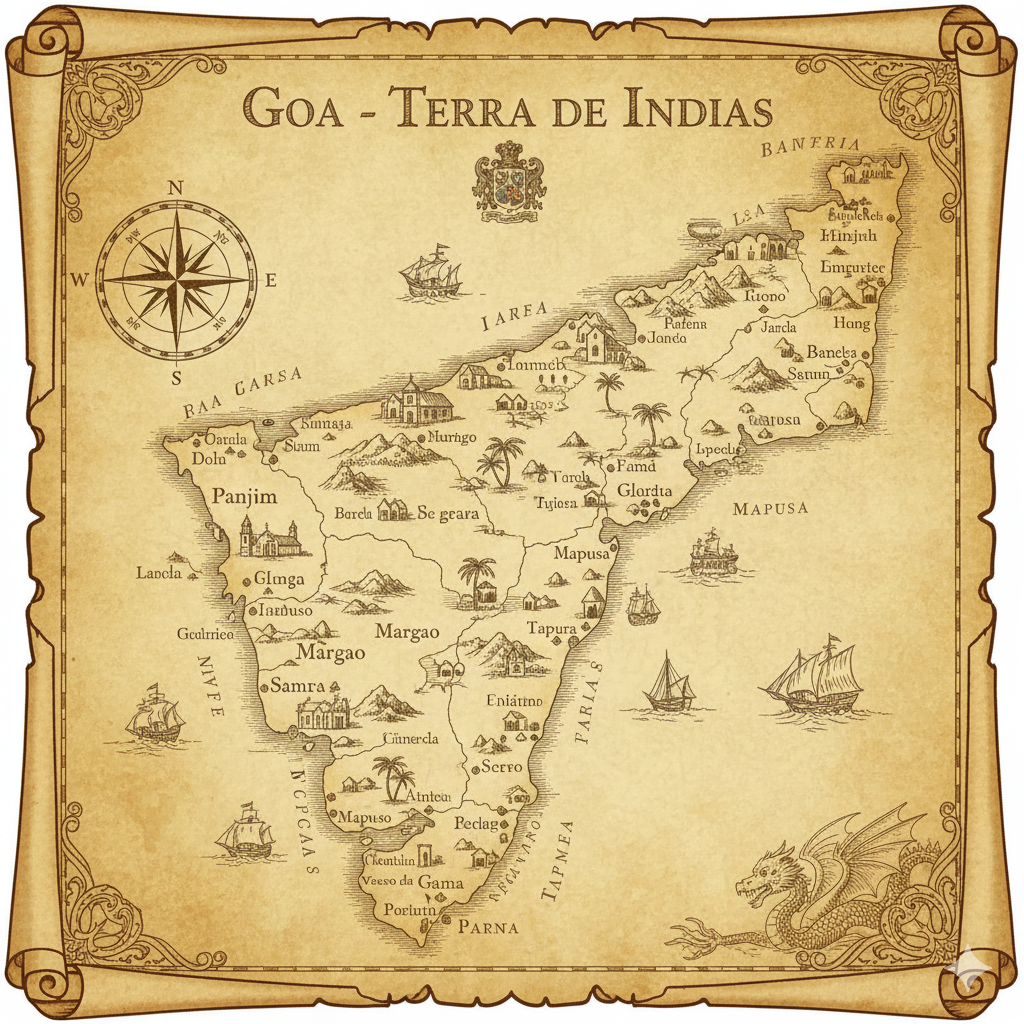
Local Guide – Near Us
Near Urba Luxury:
Mall De Goa – 5 minutes
Panjim City – 10 minutes
Nossa Senhora do Socorro Church – A short neighbourhood drive
As a Goan author often says, Porvorim is the “Balcony of Panjim”—it gives you the best view of the city without the noise.
DID YOU KNOW: HISTORY OF PORVORIM
Porvorim’s history is like a hidden layer beneath the modern asphalt. My search reveals that while there were no grand Portuguese palaces here like in Panjim, the plateau has a fascinating “rebel” and “geographic” history that perfectly fits your simple Goan style. Here are a few lines you can use for your website or your memoir:
1. The Meaning of the Name
The name **Porvorim** is actually a beautiful piece of village history. It is derived from the Konkani words **”Purv-Vaddo”** or **”Por-Vod”**, which literally means the **”Last Ward.”** It was originally the very last ward of the ancient village of **Socorro**. In the old days, if you were travelling from Mapusa towards the river, Porvorim was the final piece of land before you looked down at the capital.
2. The “Horse-Rider” Hill (The Rebel History)
In the late 1800s, Porvorim was not a city; it was a rugged plateau of red stone and tall grass. It was a place of **political intrigue**. * Historical records mention two prominent men in Porvorim—**Caetano Manuel Ribeiro** and **Hipolito Caetano Pinto**—who lived just yards apart but were rivals. * While Ribeiro was pro-Portuguese, Pinto was a “nativist” rebel. It is said that when Portuguese troops would ride their horses over the Porvorim hill to arrest Pinto, the local sharecroppers would run to him shouting, **”Bhatkar, we hear horses!”** He would then hide in a secret chamber under his floorboards until sunset.
3. The Shift to “Alto”
Porvorim Before 1950, there wasn’t even a single Catholic church on the plateau. It was mostly orchards of cashew and mango. The transition began in **1951** when the first Mass was celebrated in a tiny newly-built chapel. It was only after the Liberation of Goa in 1961 that the government realized the strategic value of this “High Land” (**Alto**), eventually moving the Secretariat and Assembly there to escape the congestion of Panjim.